Geothermal Boreholes

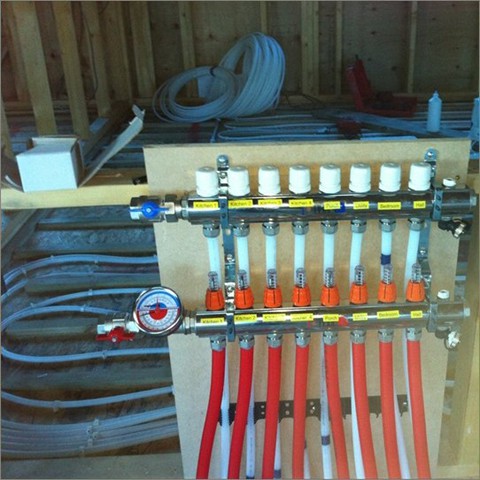
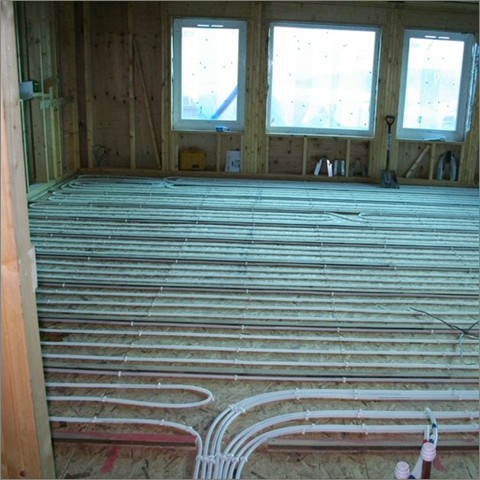
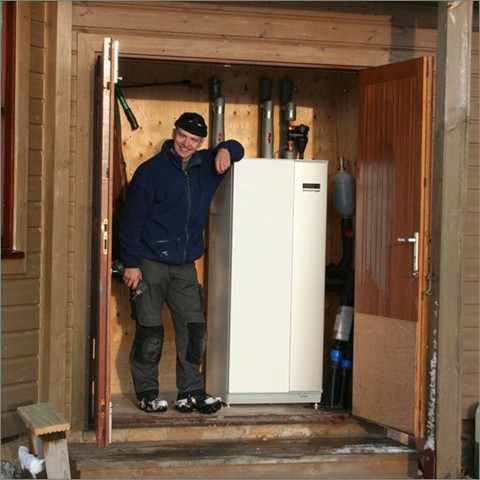
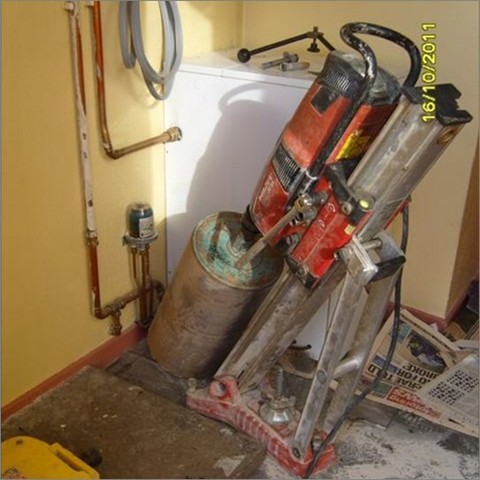

Ground source heat pumps (GSHPs) use pipes which are installed in boreholes to extract heat from the ground. This heat can then be used to heat radiators, underfloor or warm air heating systems and hot water in your home.
A ground source heat pump circulates a mixture of water and antifreeze around a loop of pipe, installed in your borehole. Heat from the ground is absorbed into the fluid and then passes through a heat exchanger into the heat pump. The ground stays at a fairly constant temperature under the surface, so the heat pump can be used throughout the year. The length of the ground loop depends on the size of your home and the amount of heat you need.
The benefits of ground source heat pumps
• lower your fuel bills, especially if you replace conventional electric heating
• could provide you with income through the government’s Renewable Heat Incentive (RHI)
• could lower home carbon emissions, depending on which fuel you are replacing
• no fuel deliveries needed
• can heat your home as well as your water
• minimal maintenance required
Unlike gas and oil boilers, heat pumps deliver heat at lower temperatures over much longer periods.
Air source heat pumps are usually easier to install, but they are often less efficient than ground source heat pumps.
How do ground source heat pumps work?
Heat from the ground is absorbed at low temperatures into a fluid inside a loop of pipe (a ground loop) buried underground. The fluid then passes through a compressor that raises it to a higher temperature, which can then heat water for the heating and hot water circuits of the house. The cooled ground-loop fluid passes back into the ground where it absorbs further energy from the ground in a continuous process as long as heating is required.
Is a ground source heat pump suitable for me?
To tell if an air source heat pump is right for you, there are a few key questions to consider:
• Is your home well insulated? Since ground source heat pumps work best when producing heat at a lower
temperature than traditional boilers, it's essential that your home is well insulated and draught-proofed
for the heating system to be effective.
• What fuel will you be replacing? The system will pay for itself much more quickly if it's replacing an
electricity or coal heating system. Heat pumps may not be the best option for homes using mains gas.
• Is the system intended for a new development? Combining the installation with other building work can
reduce the cost of installing the system.
Costs, savings and financial support
Costs Installing a typical system costs around £11,000- £15,000. Running costs will depend on a number of factors including the size of your home and how well insulated it is.
Savings
How much you can save will depend on what system you use now, as well as what you are replacing it with. Your savings will be affected by:
• Your heat distribution system. Underfloor heating can be more efficient than radiators because the water doesn’t need to be so hot. If underfloor heating isn’t possible, use the largest radiators you can. Your installer should be able to advise on this.
• Your fuel costs. You will still have to pay fuel bills with a heat pump because they are powered by electricity, but you will save on the fuel you are replacing. If the fuel you are replacing is expensive you are more likely to make a saving.
• Your old heating system. If your old heating system was inefficient, you are more likely to see lower running costs with a new heat pump. • Using the controls. Learn how to control the system so you can get the most out of it. You will probably need to set the heating to come on for longer hours, but you might be able to set the thermostat lower and still feel comfortable. Your installer should explain to you how to control the system so you can use it most effectively.